


Entities under the National Cybersecurity Authority's Essential Cybersecurity Controls (ECC) are assessed through self-assessment, compliance tool reports or field audits, and an awareness program is easy to describe on paper and harder to show in behavior. This post is for CISOs and awareness managers choosing security awareness training Saudi Arabia teams can defend in that assessment: what ECC asks for, how Arabic content should work and what to measure.
In short: ECC asks for an awareness program that is approved, delivered and reviewed. Buy training that works in Arabic and English, fits each role, and reports behavior such as reporting rate and repeat mistakes, not only course completion.
Security Awareness Training Saudi Arabia: What ECC Asks
ECC-2:2024 sets its awareness requirements in subdomain 1-10, Cybersecurity Awareness and Training Program. The objective is that personnel have the awareness they need, understand their cybersecurity responsibilities and have the skills to protect the entity's assets. The NCA applies the controls to government entities, their affiliated companies and private sector entities that own, operate or host critical national infrastructure, and encourages every other entity in the Kingdom to use them.
In plain terms, the 1-10 controls ask for five things:
- An awareness program that is developed, approved and delivered through multiple channels (1-10-1).
- Implementation of that approved program inside the entity (1-10-2).
- Content on the most important and latest threats, including secure handling of email and phishing, mobile devices and storage media, internet browsing and social media (1-10-3).
- Specialized skills and training for cybersecurity staff, people who develop or work on the entity's systems, and executive and supervisory positions (1-10-4).
- Periodic review of how the awareness program is implemented (1-10-5).
Words such as periodically and multiple channels are yours to define in your approved program, and the review in 1-10-5 needs evidence to look at. That evidence is where the choice of training starts to matter, and the first place it shows is language.
Arabic Content Staff Will Read and Use
ECC itself shows how the NCA treats Arabic: its disclaimer states that the Arabic version governs any question about the meaning or interpretation of the document. It would be odd for awareness training to be the one place where Arabic is an afterthought.
Arabic security awareness in Saudi Arabia runs into problems every bilingual workforce knows: lessons that read like a translation, phishing examples unlike the messages staff really receive, and reporting instructions in one language only. Ask a provider for the same lesson in Arabic and in English and judge whether the Arabic was written for Arabic readers. Our post on authored or translated Arabic training shows how to test this.
Fraus Codex delivers training in Arabic and English, and Whitebait runs phishing simulations from Arabic and English templates, so the lesson and the test can use the same language.
Measure Behavior, Not Course Completion
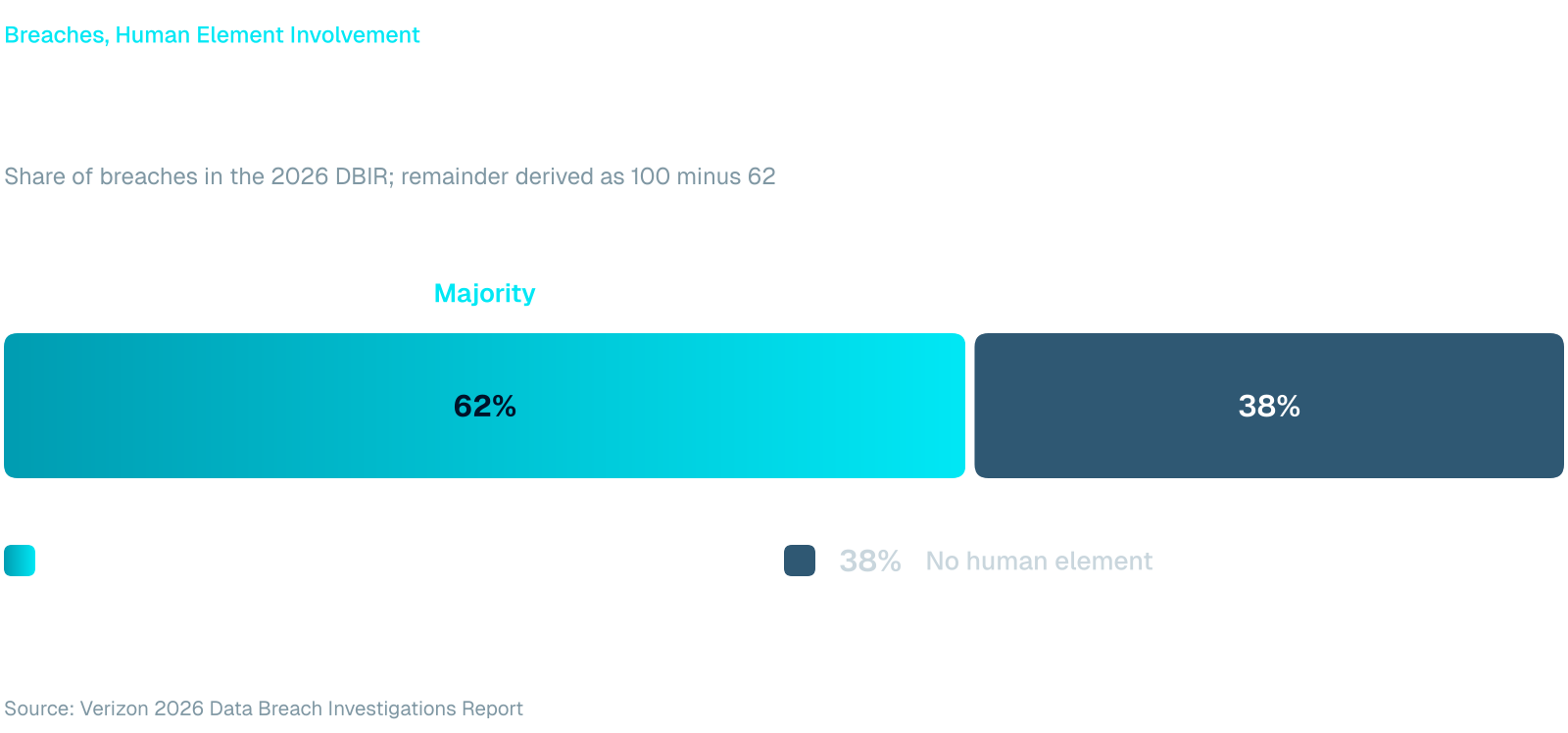
Completion rates tell an assessor the course was assigned, not that anyone acts differently. The 2026 Verizon Data Breach Investigations Report found the human element in 62% of the breaches it analyzed, which is why the review in 1-10-5 deserves more than a completion percentage.

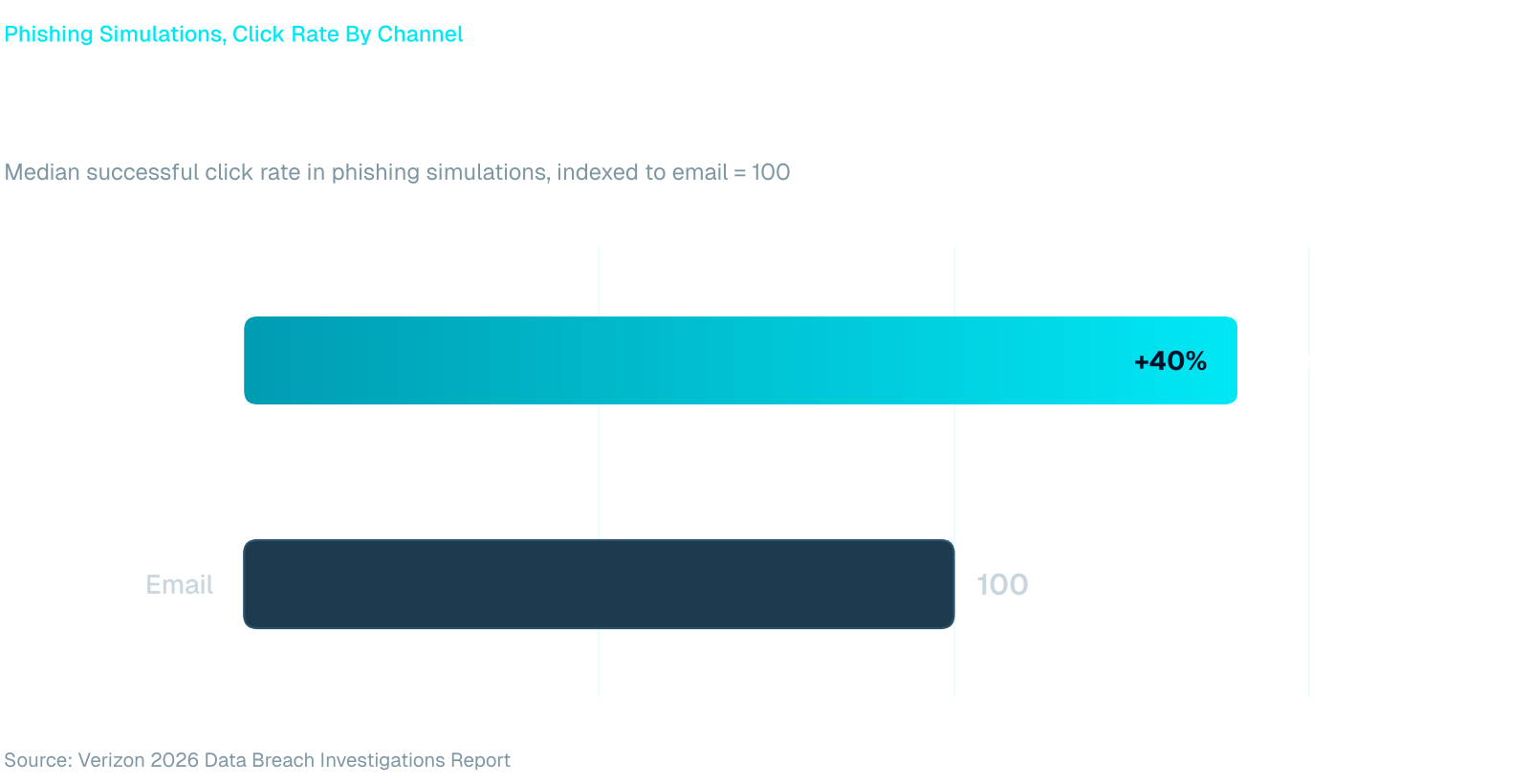
Track what a person does with a suspicious message: reporting rate next to click rate, time to report, and whether the same mistake repeats. Split the results by department, role and language so a weak spot in one group shows up. Our guides to security awareness metrics and reporting rate versus click rate explain how to read each number.
Odin turns these signals into a continuous risk score for each employee, weighted for role criticality, so the periodic review can start from behavioral data instead of a survey.
Cover Roles and Respond in the Moment
Control 1-10-4 divides the workforce by responsibility: cybersecurity staff, people who build or work on the entity's systems, and executives and supervisors. One annual course cannot serve all three. Role-based learning paths give each group lessons that match what they handle, such as payment approvals for finance or privileged access for administrators.
When someone clicks a simulated lure, the useful moment is that minute, not next quarter's course. Zero-Touch Training responds with a lesson matched to the behavior inside Microsoft Teams with no manual step, and agentic AI-driven micro-learning fills the gaps it sees between scheduled lessons. Entities that run cybersecurity awareness training in Saudi Arabia this way keep a record of what each person was taught and when.
Questions to Ask Before You Buy
Put these to every provider on your shortlist and ask for a demonstration, not a slide:
- Can I see the same lesson authored in Arabic and in English?
- Which 1-10 topics does each module cover, and can that mapping be exported as evidence?
- Can content and simulations differ by role, including executives and technical teams?
- What is reported besides completion: reporting rate, time to report and repeat behavior?
- Where is data hosted, and can the platform run fully on-premise?
For a checklist written for the Emirates, see our checklist for UAE buyers. The Saudi differences are the ECC mapping above and the NCA's own Arabic text.
A Next Step for Your Program
Before your next assessment, take the five 1-10 items and write beside each the evidence your current training produces. Gaps tend to show in three places: language, role coverage and review data. If they do, look at how Codex handles Arabic and English training, role-based learning paths and compliance mapping, and what it would take to replace course completion with the behavior numbers an assessor can read.
Frequently Asked Questions
Does NCA ECC require security awareness training?
Yes, for entities in scope. Subdomain 1-10 requires an approved awareness program that is implemented, covers threats such as phishing, and is periodically reviewed. ECC applies to government entities, their affiliated companies and private sector entities that own, operate or host critical national infrastructure. The NCA encourages all other entities in the Kingdom to adopt it.
Does awareness training have to be in Arabic?
The goal of 1-10 is that personnel understand their responsibilities, so each person needs content in a language they read comfortably. For many Saudi entities that means Arabic and English. Test whether the Arabic is authored for Arabic readers rather than translated.
Who needs specialized training under ECC?
Control 1-10-4 names cybersecurity department personnel, people working on software and application development and on the entity's information and technology assets, and executive and supervisory positions. General staff need the awareness program; these groups need additional skills and training matched to their responsibilities.
What should I measure to show the program works?
Report behavior alongside completion: reporting rate next to click rate, time to report and repeat mistakes, split by role, department and language. These give the periodic review in 1-10-5 real data and show where to adjust training for each group.