


A CISO who asks for next year's awareness budget usually hears the same question from finance: what do we get back? Security awareness training ROI is hard to state honestly because the loss you prevent is a breach that never happened. This post is for CISOs and security leads in the UAE and GCC who need to put a defensible case for awareness and human risk spend in front of a CFO or board.
In short: Size the loss from your own incident history, count the full program cost, and show movement in behavior you can measure. Present a range with the assumptions written beside it, not a single return figure, and review it every quarter.
Where the Avoided Loss Comes From
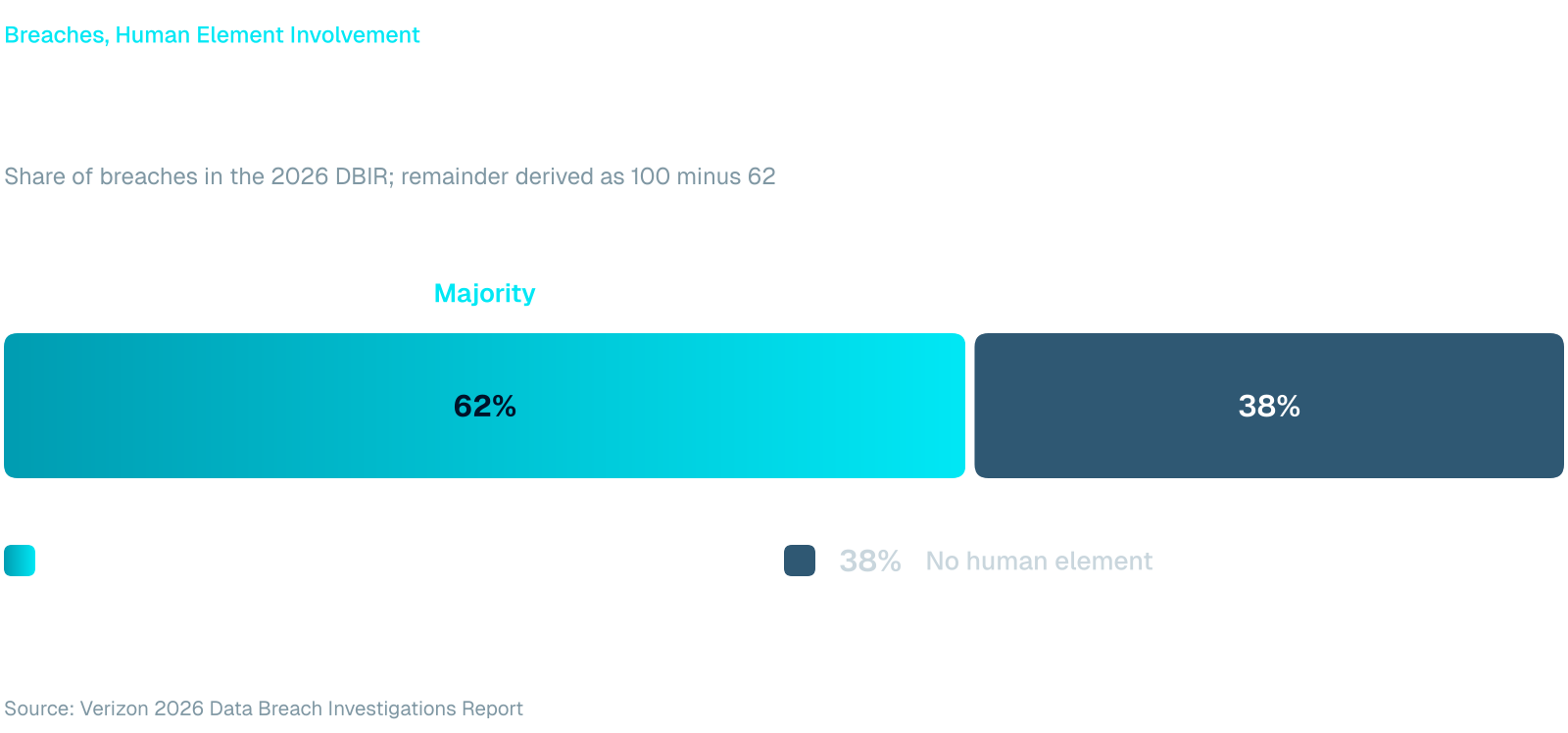
Start with the side of the ledger finance already trusts, which is what people-driven incidents cost. Verizon's 2026 Data Breach Investigations Report found, as reported by Help Net Security, that the human element was involved in 62% of breaches. That explains why the budget line exists, but it is not a return, and a CFO will say so.
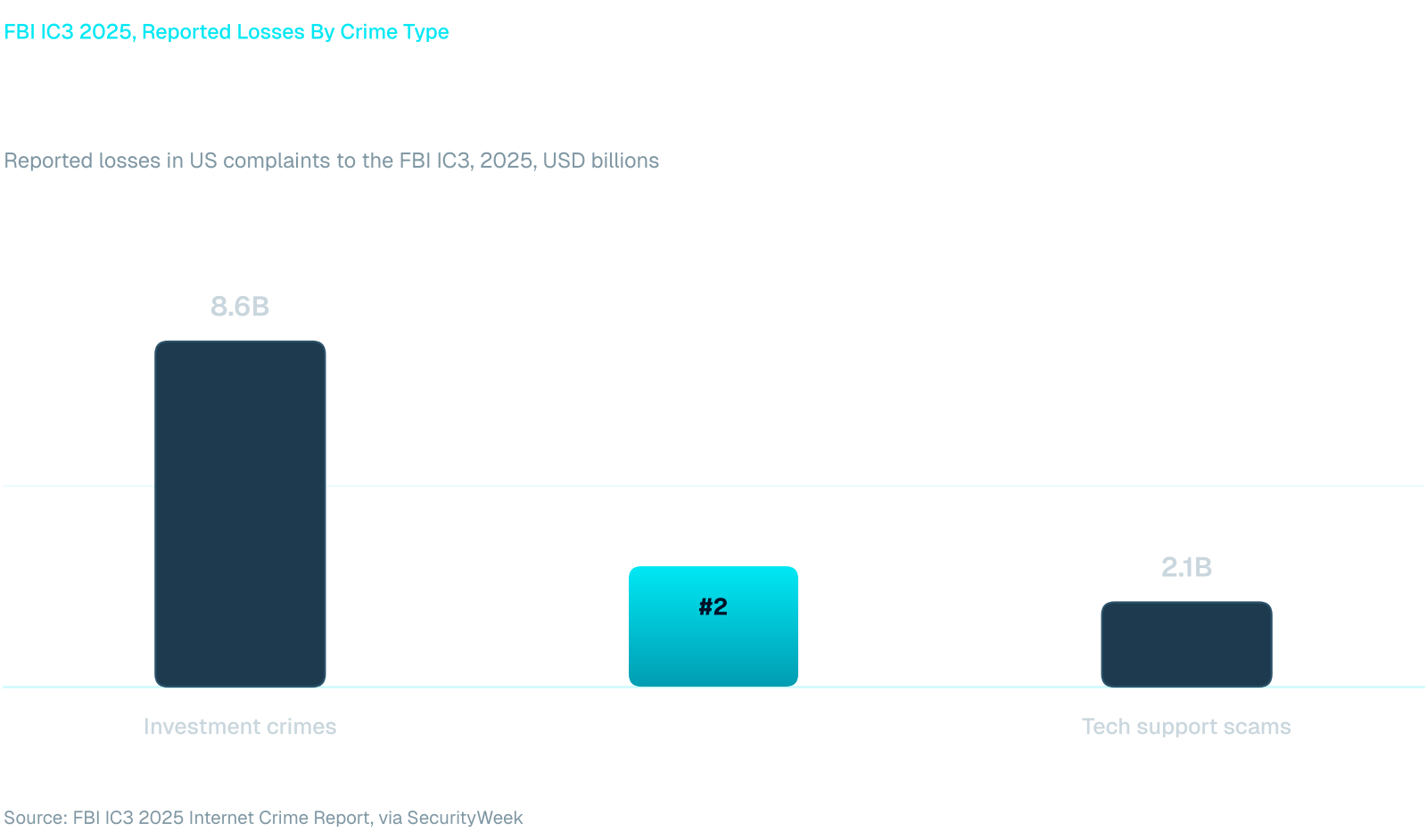
Put a dollar figure on a scenario your finance team recognizes. Business email compromise is the clearest, because the loss is a payment that left the account. The FBI's Internet Crime Complaint Center recorded $3 billion in business email compromise losses for 2025, second only to investment crimes at more than $8.6 billion and ahead of tech support scams at $2.1 billion. Those are US complaints, so use them to show scale and replace them with your own figures in the case itself.
Your own figures come from your incident log and near-misses: the payment-detail change that was caught on the second call, the credential entered on a fake sign-in page, the file pasted into an unapproved AI tool. Each one is a scenario with a frequency and a cost, and the cost side of the case has to match that level of detail.
Count the Full Cost of the Program
The cost side is where business cases lose credibility, because it is usually understated. The license is the easy line. Add the analyst hours spent planning and reviewing campaigns, the time employees spend in lessons and simulations, help desk volume after a simulation, and the integration work with your directory and Microsoft Teams.
Employee time deserves its own line. It is often the largest item and the first one finance asks about. Short lessons placed inside the workday cost less than a monthly hour-long course, and a program with no campaign calendar returns analyst time. The Graybait phishing program is built for that: you connect the workforce, set guardrails, choose an objective and activate it, then the team steps in only when the system asks.
Build the Security Awareness Business Case
A security awareness business case is an argument in four steps, and a reviewer should be able to challenge each one. NIST SP 800-50 Rev. 1 includes suggested metrics and evaluation methods so a learning program can be improved over time, which gives you a neutral reference for the measurement step.
- Choose two or three loss scenarios from your own incident log, such as a payment-detail change, credential theft or data sent to an unapproved AI service.
- Give each scenario an annual likelihood and a cost range, using the method your risk team already uses. Where you have no data, use a range, not a point.
- Name the behaviors the program changes for that scenario: reporting a message, verifying a payment change, refusing a credential prompt.
- Estimate the share of exposure those behaviors address in a low case and a high case, and write the assumption next to each.
The result is a range of avoided loss set against a full cost, with every assumption visible. A CFO can disagree with one assumption and still accept the method, which is what you want.
Keep the ask separate from the reporting that follows approval. The measures you track belong in board KPIs, and their definitions are in security awareness metrics. This post covers the case that gets the budget approved.
Security Awareness Training ROI Without Made-Up Numbers
Return needs a figure for loss avoided, and that is the one figure nobody can observe. So show movement in the behaviors your scenarios depend on and let finance follow the link. Phishing training ROI is the clearest case. A falling click rate is welcome, but reporting rate and time to report show whether staff act as a detection layer, and phishing simulation metrics explains how to read them together.
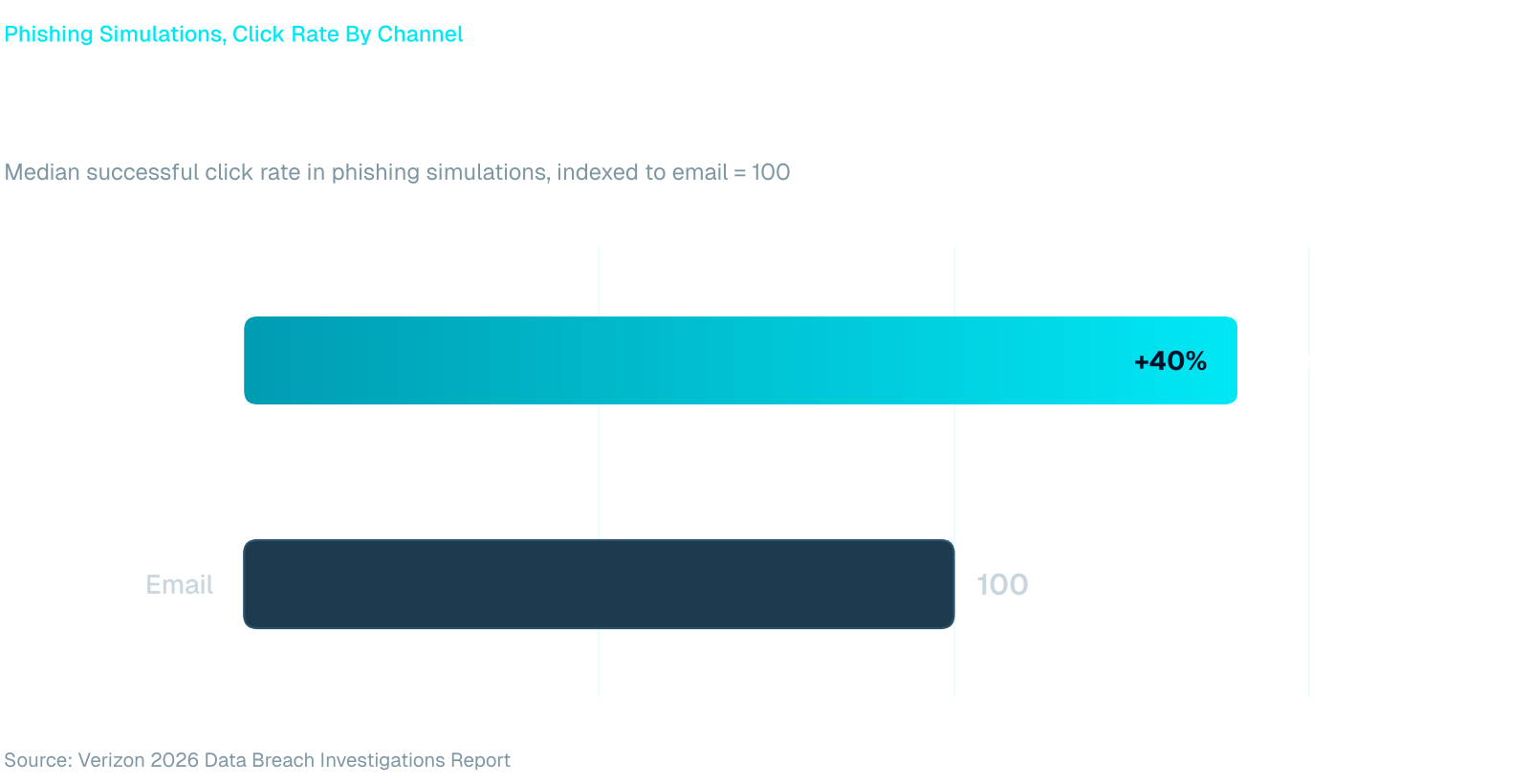
Scope belongs in the case too. The same Verizon report, as covered by Help Net Security, found engagement rates for mobile-based phishing simulations 40% higher than for traditional email simulations. A program that tests only email describes part of the exposure, so include SMS and voice in both the scope and the cost.
Human risk management ROI is easier to defend when each employee has a risk score that moves. Odin scores each employee continuously, weights the score by role criticality and escalates automatically, so you can show finance that exposure sits in named roles and that spend follows it. When someone shows a risky behavior, just-in-time coaching responds at once inside Microsoft Teams, which shortens the gap between exposure and response and gives you a before-and-after to measure.
To make that comparison credible, phase the rollout by department. The group that starts later is your baseline, and the difference in reporting rate and repeat behavior after a quarter is evidence you can put in front of the board.
Take One Scenario to Your CFO
Back to the budget meeting. Bring one scenario, one cost range, one behavior measure and one review date. A smaller case that survives questions beats a large one that does not, and it earns the next year's conversation on better terms.
Then review it every quarter with the same measures. If reporting rate is up, time to report is down and repeat behavior is falling in the roles that carry the most exposure, the case renews itself. If it is not, you will know which assumption to change before finance asks.
Frequently Asked Questions
What is a good ROI figure for security awareness training?
There is no universal figure, and a number quoted without your own loss data will not hold up in a budget review. Build it from your scenarios: a range for avoided loss against the full program cost, with assumptions stated. Report the ratio as a range and revisit it each quarter.
How do you measure phishing training ROI?
Track reporting rate, time to report and repeat behavior next to click rate, by role and department. Then link each measure to a loss scenario, such as a payment-detail change. The return is the reduction in exposure those behaviors represent, shown as a range rather than a single figure.
What costs belong in the business case?
Include the license, analyst hours for planning and review, employee time in lessons and simulations, help desk volume after simulations, and integration work with your directory and Microsoft Teams. Leaving out employee time is the most common gap, and finance usually spots it first.
Can I use industry statistics in my business case?
Use them to show scale, such as the FBI's 2025 business email compromise losses or Verizon's finding on the human element, then replace them with your own incident and loss data. External figures come from other regions and populations, so they open the argument but should not carry it.
How often should the business case be reviewed?
Quarterly works for most teams. Use the same behavior measures each time so the trend is comparable, and update the loss scenarios whenever an incident or near-miss changes your view of likelihood or cost. A case that is reviewed on a schedule is easier to renew.