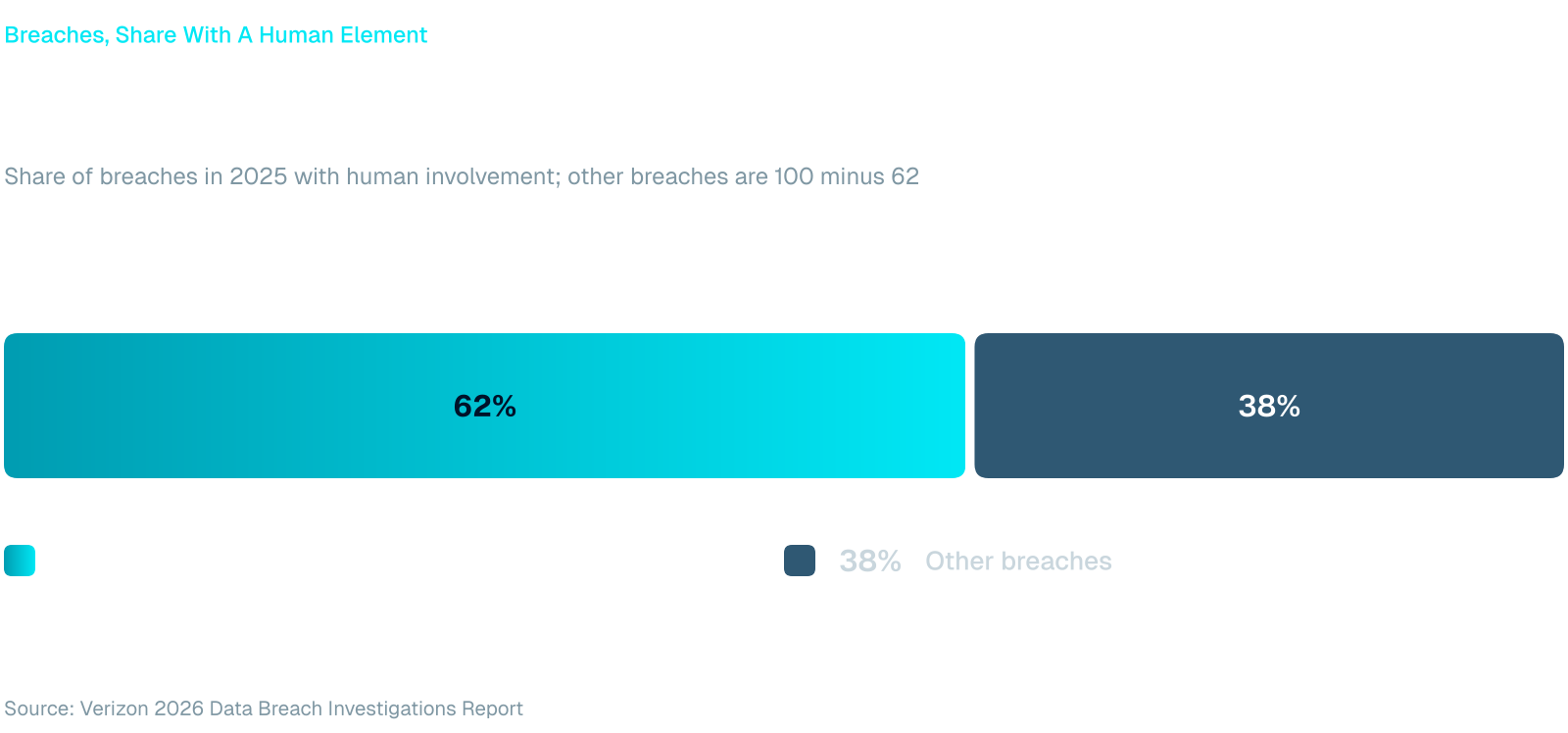





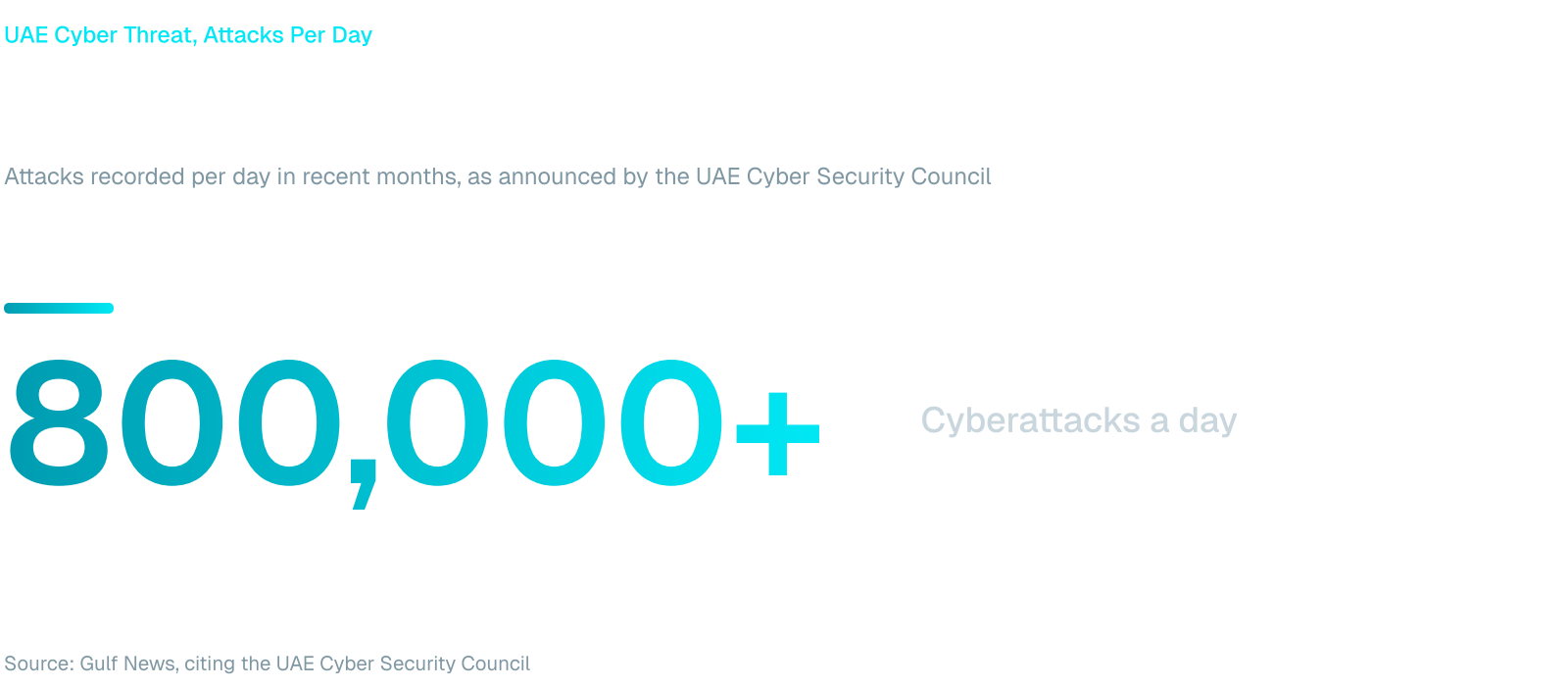
The UAE Cyber Security Council said the country recorded more than 800,000 cyberattacks a day in recent months, as reported by Gulf News in May 2026. Filters and firewalls absorb the volume, and what is left comes down to a person deciding whether to open, pay or reply. This post is for the CISO or awareness manager who has to choose a training program for a UAE workforce and defend that choice to the board.
In short: Test any security awareness training UAE vendor on four things: whether it works in Arabic and English, whether its scenarios match local threats, whether it maps to UAE frameworks you answer to, and whether it measures behavior rather than course completions.
Security Awareness Training UAE Buyers Should Test
Most vendor demos show a course library and a completion dashboard. That tells you the content exists, not that it will change what your accounts payable clerk does on the day before a payment run. The four tests below are the ones that separate a program a UAE organization can run for years from one that gets switched off after the first audit.
They also come in a useful order. Language decides whether anyone engages, local threats decide whether the content feels real, regulation decides whether the program survives review, and measurement decides whether you can show it worked. We take them in that order.
Language Decides Whether Training Gets Used
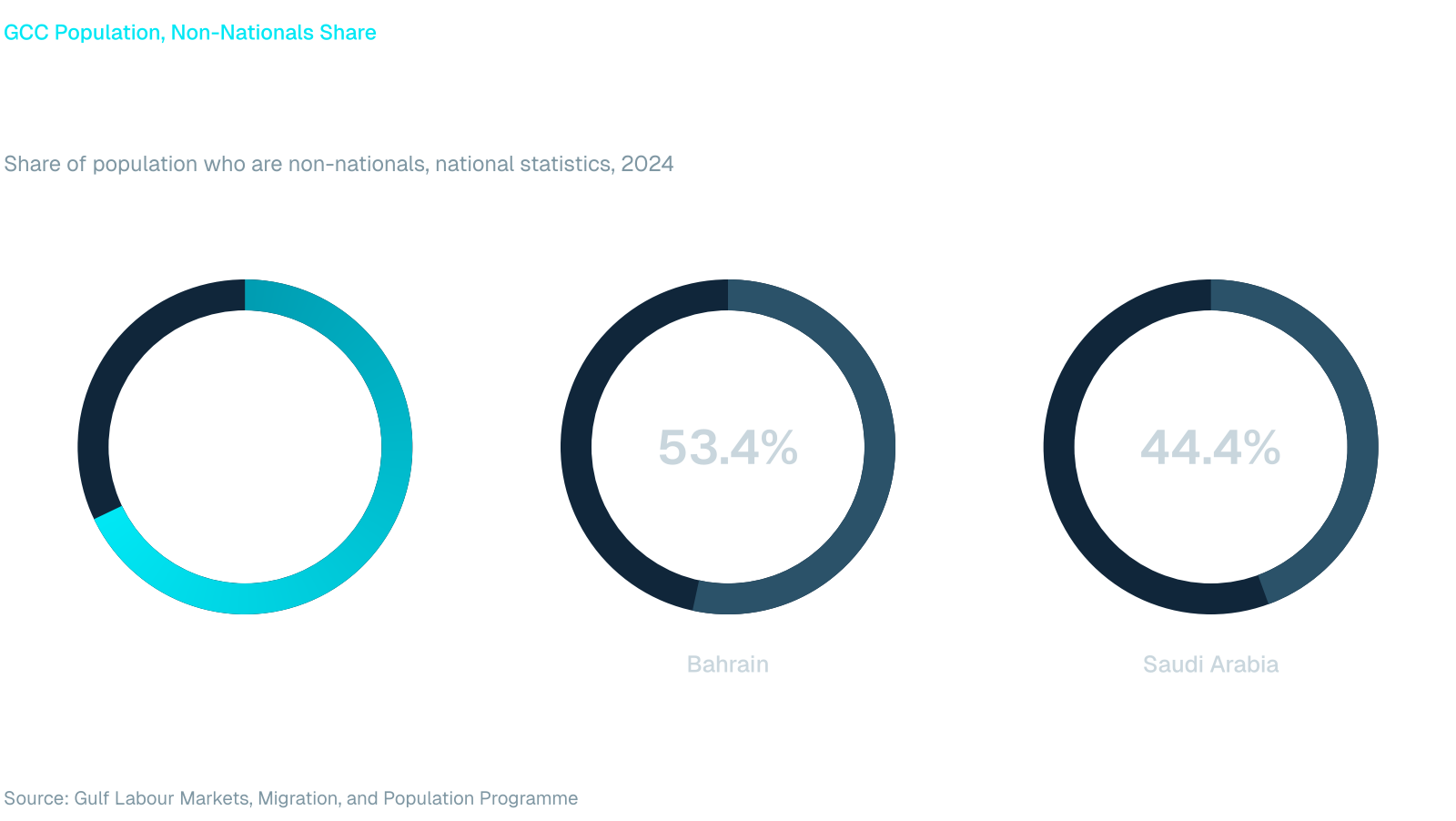
Many UAE organizations employ people with different first languages. A Dubai finance team may work in English and speak Arabic at home, while site and operations staff may be more comfortable in other languages again. Training that exists only in English, or in a machine-translated Arabic that reads like a form letter, quietly excludes the people who most need it.
What to check. Ask to see the same scenario in Arabic and English, written natively rather than translated line by line. For security awareness training in Dubai that teams will actually finish, short micro-learning modules matter as much as language, because staff complete a five-minute lesson between tasks far more readily than a one-hour course.
Codex delivers training in Arabic and English for this reason. Language also decides how well local content lands, which brings us to the threats themselves.
Local Threats Belong in the Content
Generic examples about a fictional parcel delivery do little for someone who handles supplier payments. In August 2026 the Council's chairman warned of rising phishing, ransomware and zero-day attacks, with AI-driven threats intensifying, in a statement carried by Emirates 24|7. Cybersecurity awareness training in the UAE should therefore cover the lures staff will meet this quarter.
In practice that means business email compromise aimed at finance teams, a supplier's changed bank details, deepfake voice or video requests from a senior executive, and staff pasting company data into public GenAI tools. Our posts on business email compromise training and invoice fraud in UAE construction show how those cases look from the employee's side.
Ask any vendor how often its scenarios are updated, and whether a person in finance sees different content from a person in HR. If the answer is an annual refresh for everyone, the content will lag the threats described above.
Aligning Training With UAE Regulation
Regulation is where buyers most often overclaim, so be precise. The UAE Information Assurance Regulation, published on the TDRA website, states that an awareness and training program shall be implemented to inform entities of the risks associated with their activities. It obliges UAE government entities and other entities the regulator designates as critical, and recommends adoption by all other entities in the UAE on a voluntary basis.
Separately, the UAE's personal data protection law has been in force since 2 January 2022, and the government's own summary describes it as setting general obligations on companies that hold personal data to secure it. Training is one practical way to support that duty and show how staff are prepared to handle personal data. For program design, NIST SP 800-50 Rev. 1 offers a life cycle approach to a learning program that encourages behavior change and includes suggested metrics.
The useful buying question is whether a vendor can map its modules to the controls you are audited against and produce evidence of who learned what. Codex includes compliance mapping, and Fraus itself is ISO/IEC 27001 certified, UAE IA compliant and aligned with the NIST Cybersecurity Framework. It can be hosted on UAE or GCC servers or deployed fully on-premise, which matters if your data residency rules are strict.
Measure Behavior, Not Completions
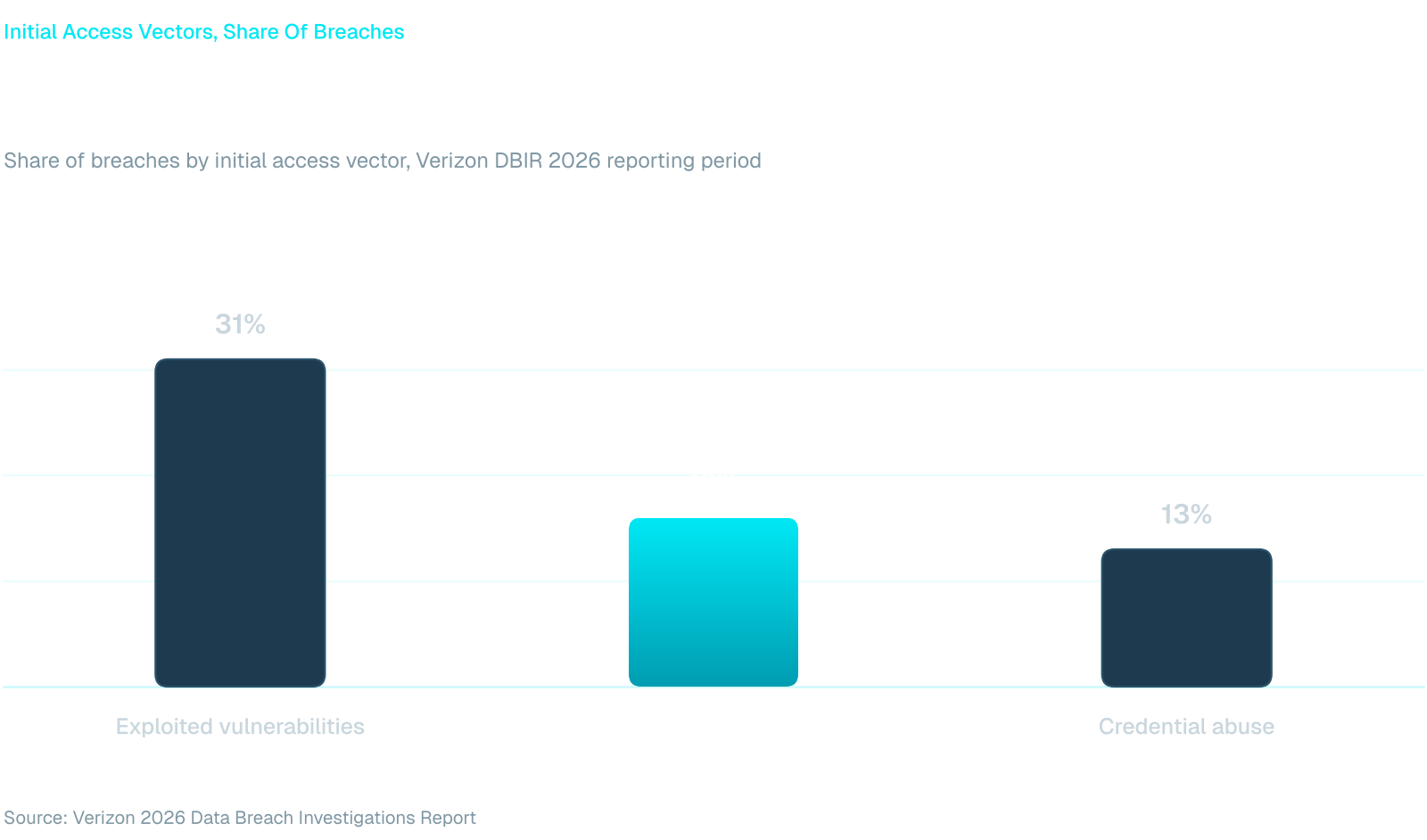
A completion rate close to 100% shows that people clicked through slides. It does not show that anyone now stops before approving a changed bank account. Auditors may accept completion as evidence of delivery, but your board will eventually ask whether risk went down.
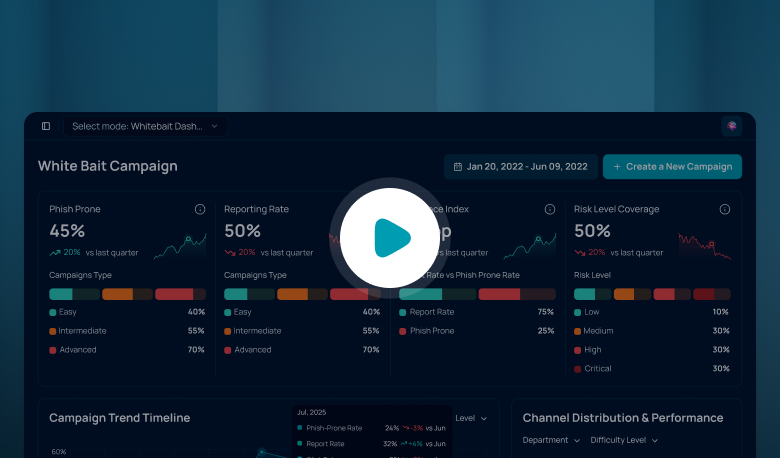
The measures that answer that are the reporting rate, the time it takes to report a suspicious message, and whether the same people repeat the same mistake. We set out how to present them in Security Awareness KPIs for the Board on One Page, and how scoring each person's risk changes what training they get in Human Risk Management vs Security Awareness Training.
Training measured this way works best when it connects to simulation and to per-person risk scoring. Odin scores risk for each employee continuously, so the next lesson can follow the behavior rather than the calendar. If you are also choosing a simulation tool, our guide to phishing simulation in the UAE covers that side.
Next Step Before You Shortlist
Of the 800,000 attacks a day, the few that get through will land with your busiest, least-supported staff, so test with them. Before signing, run a short pilot with one finance team and one operations team, and ask each vendor for the following.
- The same scenario in Arabic and in English, shown to a native reader
- Two scenarios written for your sector and current threats
- A mapping from modules to the UAE IA or other framework controls you are audited against
- A sample report showing reporting rate, time to report and repeat behavior
- Hosting options that match your data residency rules
Score the answers against the four tests above. If you want to see how Arabic and English micro-learning, deepfake and business email compromise content and compliance mapping fit together, the Codex page is the place to start.
Frequently Asked Questions
Is security awareness training mandatory in the UAE?
The UAE Information Assurance Regulation requires an awareness and training program for UAE government entities and entities the regulator designates as critical. It recommends all other UAE entities adopt it voluntarily. Sector regulators and your contracts may add their own requirements, so confirm which frameworks apply to you.
Does training need to be in Arabic?
A program only works if staff understand it, and UAE workforces often read Arabic, English or both in daily work. Offer both at minimum, written natively rather than machine translated, and check which other languages your frontline and contract staff actually read before you finalize the content.
How often should staff be trained?
Check the framework you are audited against for any stated frequency, and do not claim one the text does not give. Short, continuous micro-learning tied to current threats and to each person's behavior is easier to sustain, and easier to evidence, than a single annual course.
What should we report to the board?
Report the reporting rate, time to report and repeat behavior by department, alongside completion. Those show whether behavior is changing, which completion alone cannot, and they give the board a trend it can compare from one quarter to the next without reading course statistics.