




In February 2024, Hong Kong police described a finance employee who sent about US$25.6 million after a video call in which everyone he saw was fake, and that call was what convinced him the request was real. That is the gap deepfake awareness training has to close, and this guide is for CISOs and security awareness managers who need staff to verify voice and video requests from executives.
In short: Deepfake awareness training works when staff learn to treat a voice or face as a claim, never as proof, and to confirm any request for money, access or codes through a channel they choose. Back it with role-specific practice and a written verification process.
Why Deepfake Voice Scams Reach Staff
Voice and video used to be how people settled doubt. Now they are what attackers copy. The FBI warned in May 2025 that criminals use AI-generated audio to impersonate well-known public figures or personal relations, and that a cloned voice can sound nearly identical to the real person. See the FBI public service announcement for the full guidance.
The UAE Cyber Security Council raised the same concern in November 2025. It said the technology can replicate real people's voices and appearances with high accuracy, and it called public awareness the first line of defense against digital misinformation, as The National reported.
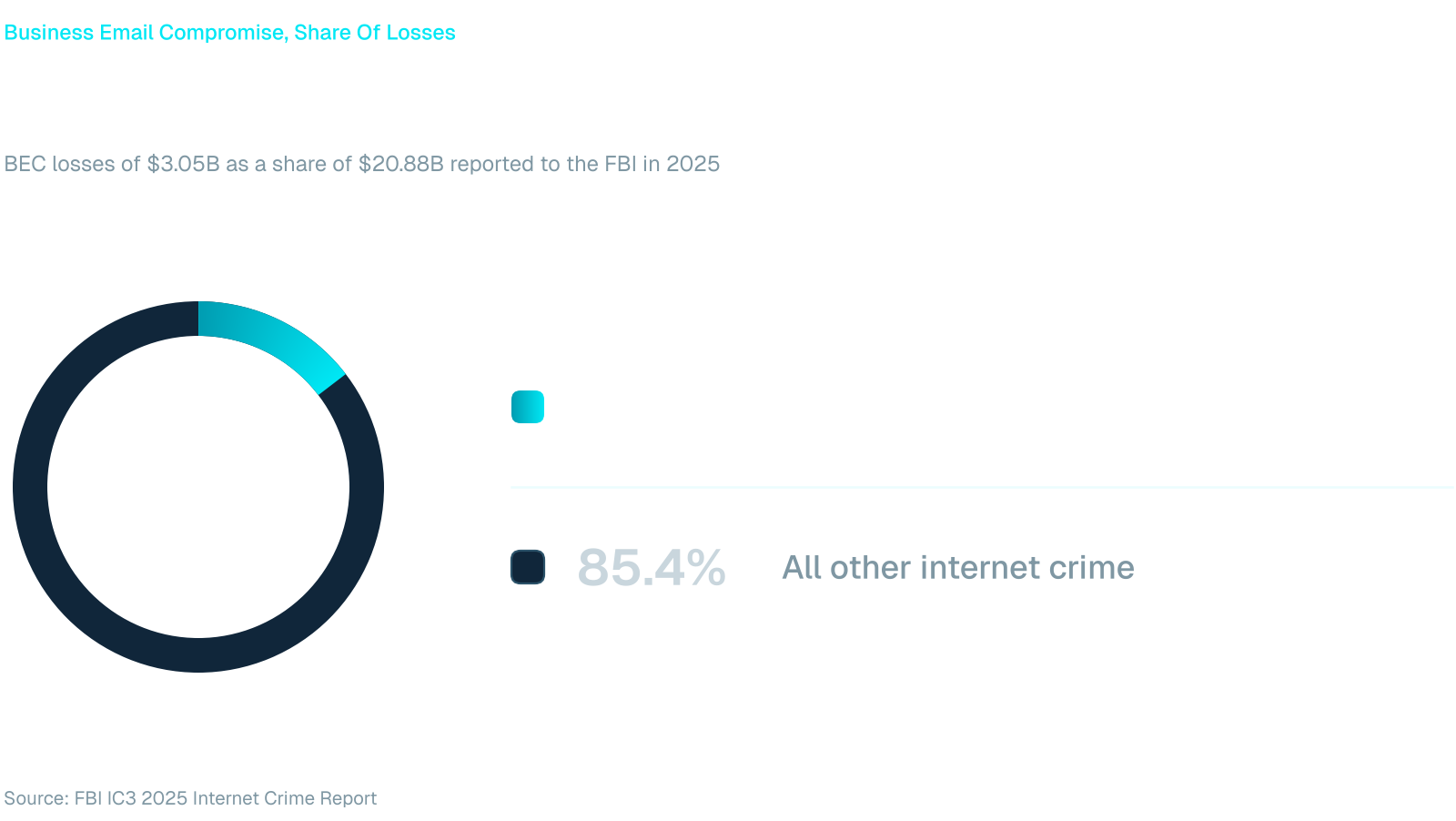
The wider fraud picture explains why this reaches the training budget. Reported losses to the FBI's Internet Crime Complaint Center have risen every year, from about $4.2 billion in 2020 to $6.9 billion in 2021, $10.3 billion in 2022, $12.5 billion in 2023, $16.6 billion in 2024 and $20.9 billion in 2025.
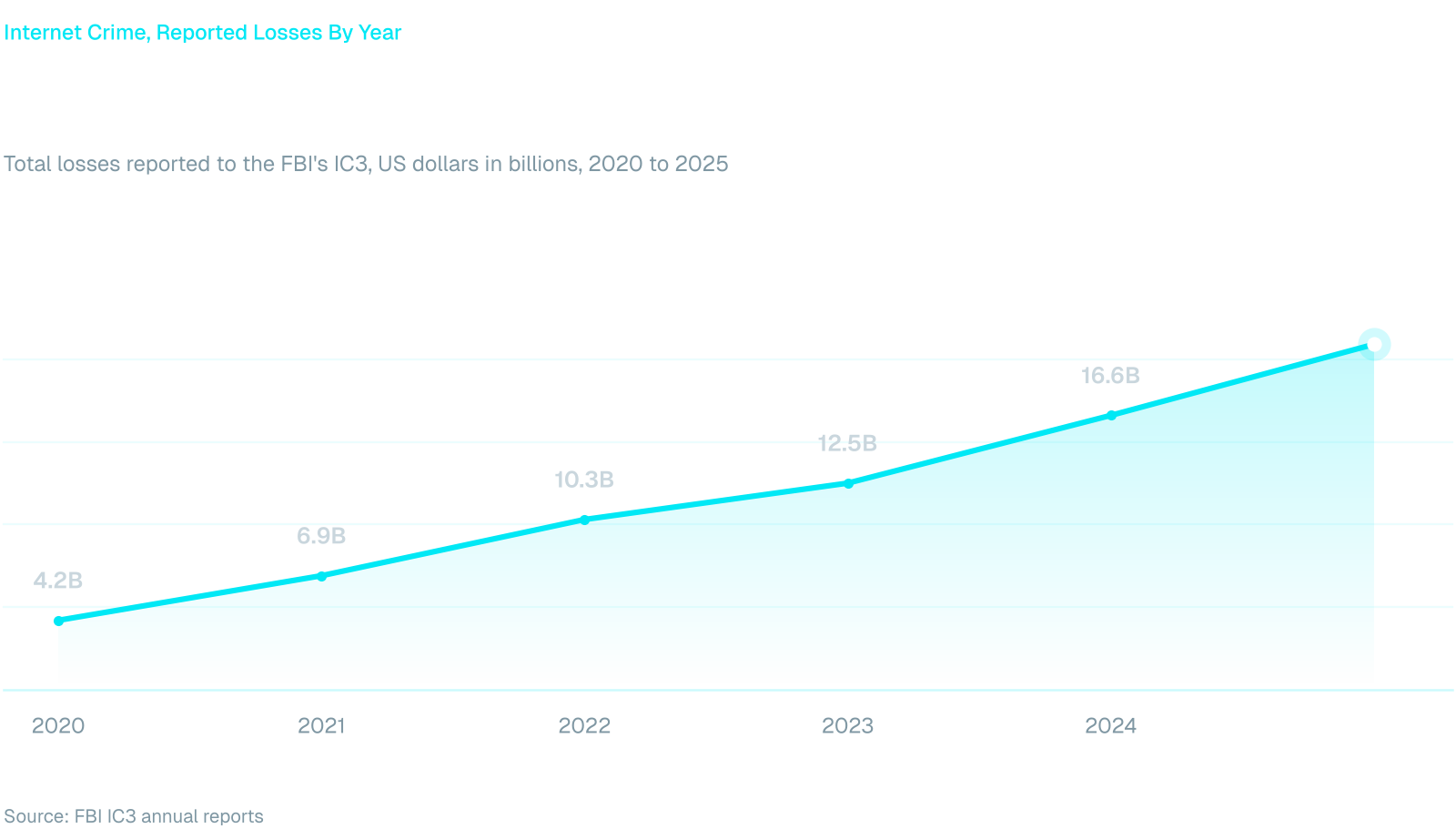
Those yearly totals cover all internet crime, so deepfakes are one part of the rise. The IC3's 2025 report also counts 22,364 AI-related complaints with $893 million in losses, and the FBI notes the AI figures may be understated.
What Deepfake Awareness Training Should Teach
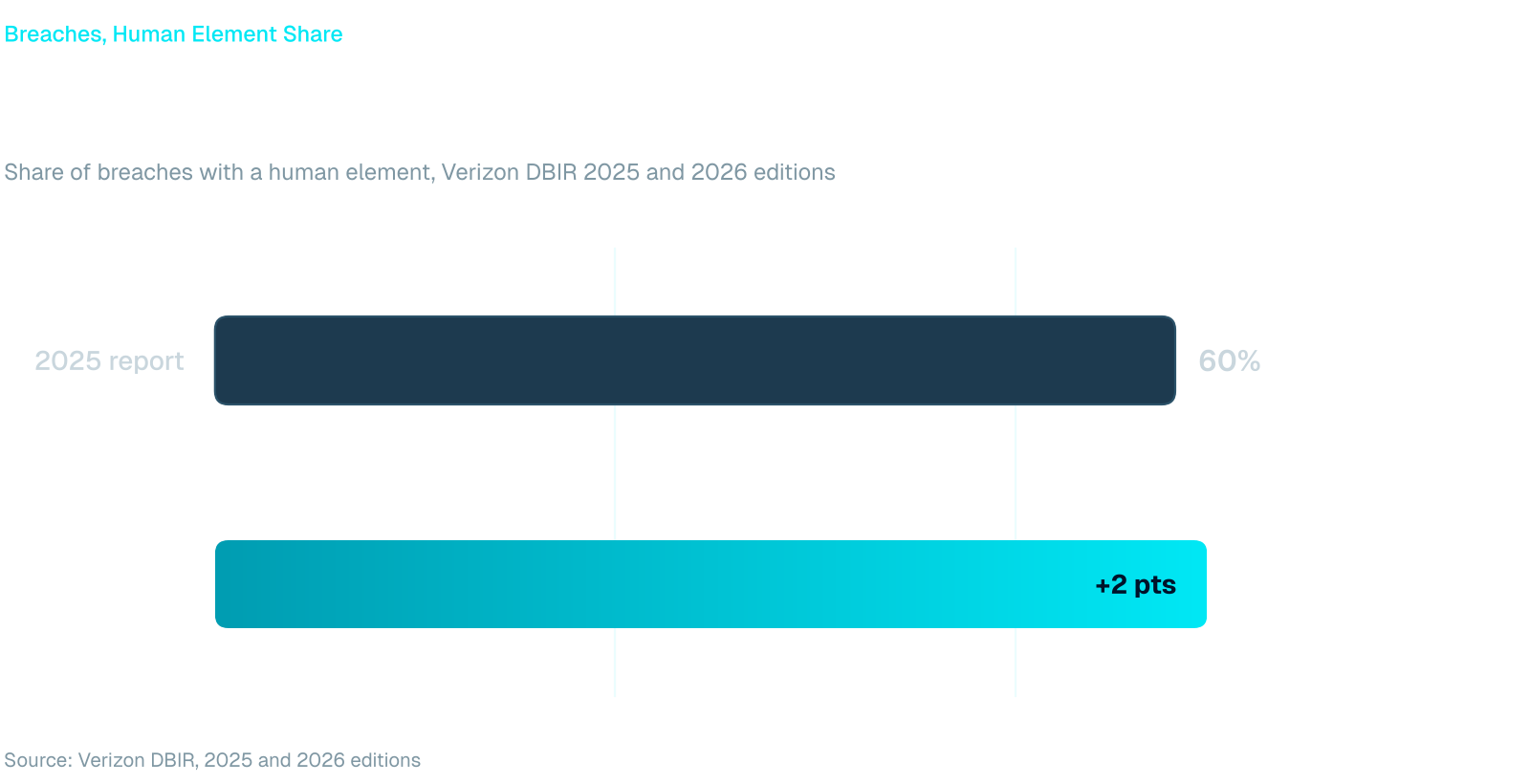
Return to the Hong Kong case. The employee first suspected phishing, because the message appeared to come from the company's UK-based CFO and asked for a confidential transaction. The video call removed that doubt, and he found out only when he later contacted head office, as CNN reported. Staff need to learn that a call cannot do that job, because faces and voices are exactly what attackers now reproduce.
That makes the lesson about the request, not about spotting glitches. Hunting for visual flaws gives people a check that can fail without warning. Teach them the shape of the request instead:
- Urgency or secrecy attached to a payment, a credential or a one-time code
- A request that skips the usual approval path
- A sudden move to a new channel or a personal number
- A senior person who cannot be reached to confirm
Then teach one response, the same every time. Stop, leave the channel and confirm through a number or system you already trust. The FBI's advice follows this pattern: find the number yourself and call, never share a two-factor code, and check money requests through a known contact method.
Executive Impersonation Training in Practice
Executive impersonation training lands better when it matches the job. An accounts payable clerk meets a voice note from the CFO asking for an urgent transfer before the day ends. A service desk agent takes a call from someone who sounds like a director and wants a new MFA device registered. Each person needs the same habit, practiced on their own scenario.
This is where Codex fits. It offers role-based learning paths, deepfake awareness lessons and contextual lessons built on real-world scenarios, in Arabic and English. Its agentic AI recommends or assigns short lessons from each person's training gaps, which suits a topic that changes faster than an annual course. In Odin, role criticality weighting means the people who can move money or reset access are not scored like everyone else.
Add a drill your own team runs by hand. Call a finance or service desk employee from an unfamiliar number, use an executive's name, and make a request that should trigger a call-back. Agree with the executive beforehand, and write down what counts as a pass.
Deepfake Fraud Prevention Needs a Process
A trained employee still faces a senior voice saying it is urgent. Deepfake fraud prevention holds up when the process gives that employee permission to say no. Four controls do most of the work:
- A call-back to a number already on file for any payment, bank-detail or access request made by voice or video
- A second approver above a set payment value
- A rule that nobody gives a one-time code by phone, chat or voice note
- A simple way to report a suspected deepfake call straight away
Executives need to know the rule too. If the CFO has told the team that a call-back is always expected, the clerk who calls back is following policy rather than doubting the boss.
Many of these controls already exist for email fraud. The business email compromise training for finance teams covers the payment side, and a deepfake request is the same attack with a familiar voice.
Measure What Staff Do After the Call
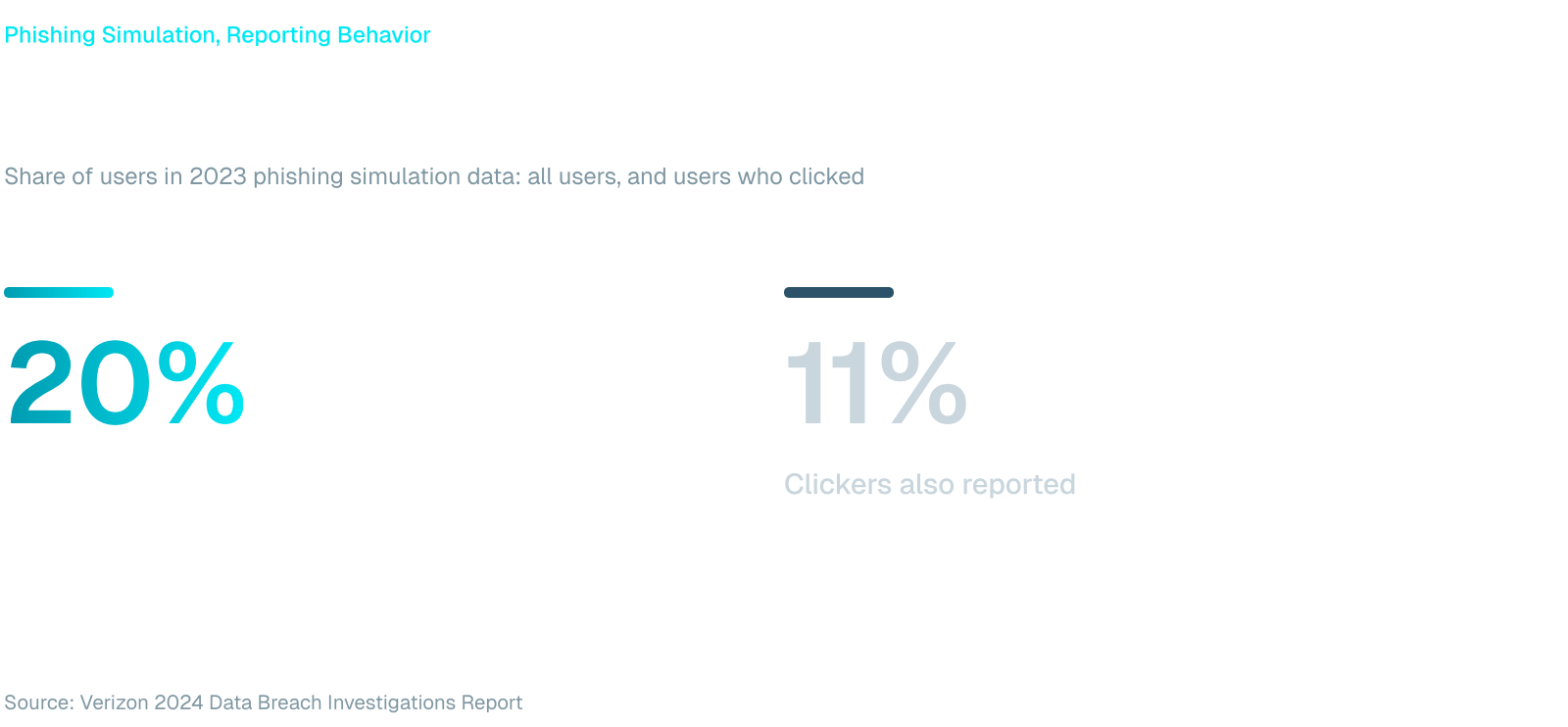
Completion rates show who watched a lesson, not who will call back. Track the share of drills where staff verified before acting, how long it took them to report, how many reports of genuinely doubtful calls arrive, and whether the same people or roles repeat the mistake.
When a person shows a security risk, Zero-Touch Training responds at once with training matched to that behavior, delivered inside Microsoft Teams. Training type, frequency and intensity adapt as the person's risk profile changes, so the response arrives when the risk shows up rather than at the next annual course.
Start With One Role
Go back to the Hong Kong employee. The practical next step is to pick the role that can move money fastest, write the call-back rule that role will follow, and run one drill within a month. Then extend the same pattern to the service desk, executive assistants and the executives themselves.
Frequently Asked Questions
What is deepfake awareness training?
It teaches employees that a voice or video of a senior person is not proof of identity, and gives them a fixed way to verify requests for money, access or codes. Good programs use role-based scenarios, short repeated lessons and practice drills rather than a single annual session.
Can employees tell a deepfake voice from a real one?
Not reliably. The FBI notes that AI voice cloning can sound nearly identical to a real contact. That is why training focuses on verification through a trusted channel and on the pattern of the request, instead of asking people to judge how the voice sounds.
How often should deepfake training run?
Short lessons spread through the year work better than one session, because the scenarios change. Add a drill for high-risk roles and a lesson triggered by risky behavior. Frequency should follow each person's role and risk, with finance and service desk staff getting more practice.
Which roles need it first?
Start with the roles that can act on a request alone: accounts payable, treasury, service desk and IT administrators. Executive assistants and the executives being impersonated come next, since the call-back rule only works when senior staff support it and expect to be called back.